In industrial environments where dust accumulation can pose serious health and safety risks, choosing the right dust collection solution is critical. Among the innovative options available, the Dust Collector with Pulse-Type Automatic Dust Cleaning System stands out as a superior choice. Designed by leading dust collector manufacturers, this system offers an efficient and reliable way to manage dust in manufacturing, metalworking, and other heavy-duty industries. By integrating a pulse jet dust cleaning technology, this industrial dust collection system ensures continuous operation and minimal maintenance, significantly improving air quality and worker safety.
Table of contents:
How Pulse Jet Dust Collectors Improve Air Filtration Efficiency
Comparing Pulse Jet and Traditional Shop Dust Collectors
Industrial Metal Dust Collector Features That Support Continuous Operation
Installation Best Practices for Pulse Jet Dust Collector Systems
How Pulse Jet Dust Collectors Improve Air Filtration Efficiency
Pulse jet dust collectors employ a highly efficient filtration process that uses bursts of compressed air to clean the filters automatically. This pulse-type automatic dust cleaning system prevents filter clogging, which is a common issue in traditional dust collectors that require manual cleaning. The automatic ash cleaning function extends the service life of the filter drum and maintains a consistent filtering efficiency of 99.97% for particles as small as 0.3 microns. With a powerful air volume capacity of 1000m³/h and a pressure of 3600pa, these systems handle large dust loads effectively, making them ideal for demanding industrial applications such as laser marking, metal embossing, and precious metal processing. By reducing maintenance downtime and ensuring uninterrupted airflow, pulse jet dust collectors significantly enhance overall air filtration efficiency, contributing to a cleaner and safer workspace.
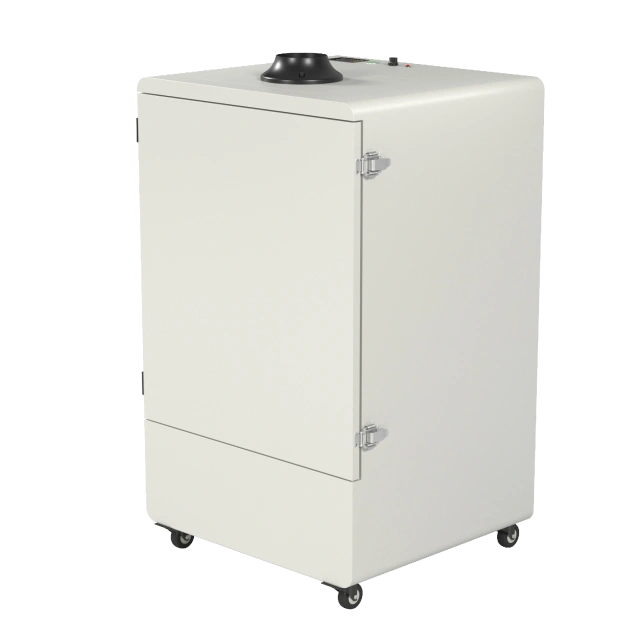
Comparing Pulse Jet and Traditional Shop Dust Collectors
Traditional shop dust collectors often rely on manual filter cleaning or simpler mechanical methods, which can lead to frequent maintenance interruptions and decreased filtration performance over time. In contrast, pulse jet dust collectors utilize an automated cleaning cycle that uses short bursts of compressed air to dislodge dust particles from the filters continuously. This innovation eliminates the need for manual intervention, reducing labor costs and downtime. Additionally, pulse jet systems maintain higher filtering efficiency and longer filter life, which translates into improved air quality and operational reliability. For industrial environments where dust generation is constant and heavy, the advanced pulse jet dust collector outperforms traditional models by providing consistent, high-capacity dust removal. Industrial dust collection systems manufacturers increasingly favor pulse jet technology for its ability to meet stringent environmental and safety standards while optimizing productivity.
Industrial Metal Dust Collector Features That Support Continuous Operation
The durability and design of pulse jet dust collectors make them well-suited for continuous operation in harsh industrial settings. Constructed with robust materials, these industrial metal dust collectors withstand the rigorous demands of metalworking and other heavy-duty processes. The pulse-type automatic dust cleaning system ensures that filters remain clean without manual intervention, enabling the dust collector to operate efficiently over extended periods. These features collectively contribute to a dust collection system that minimizes downtime, reduces maintenance costs, and supports continuous productivity, making it a valuable investment for any industrial facility.
Installation Best Practices for Pulse Jet Dust Collector Systems
Proper installation of pulse jet dust collector systems is essential to maximize their performance and longevity. First, it is important to position the dust collector near the dust source to optimize airflow and dust capture efficiency. Ensuring that the flange connections, such as the Ø75mm flange, are securely sealed prevents leakage and maintains system pressure. Electrical connections must comply with the specified voltage requirements (AC110/220V 50HZ) and be performed by qualified technicians to ensure safety and reliability. Additionally, integrating the dust collector with existing ventilation and exhaust systems enhances overall air quality management. Regular inspection during installation helps detect any potential issues early, such as filter alignment or pulse jet nozzle functionality. Following these best practices recommended by experienced dust collector manufacturers will ensure that the system operates at peak efficiency, delivering consistent dust control and safeguarding worker health.
Pulse jet dust collector systems represent a significant advancement in shop dust control technology. Their automatic pulse-type cleaning system dramatically improves filtration efficiency and reduces maintenance requirements, making them superior to traditional dust collectors. Designed for heavy-duty industrial use, these systems offer durability and continuous operation capabilities that support demanding production environments. Proper installation and integration further enhance their effectiveness, ensuring optimal dust removal and improved air quality. By choosing solutions from trusted dust collector manufacturers and industrial dust collection systems manufacturers, businesses can safeguard worker health, comply with environmental regulations, and boost overall productivity. Investing in a pulse jet dust collector is a forward-thinking decision that delivers lasting benefits for any industrial facility.


